Compare Local Contractors for Small Animal Removal Services
Compare local contractors for small animal removal to define scope, verify experience, and set clear expectations in writing for a successful job.
Small animal removal services typically include the safe and humane extraction of animals such as raccoons, squirrels, bats, and other wildlife that have entered or taken shelter within residential or commercial properties. These contractors often handle activities like inspecting the affected areas, identifying entry points, and implementing exclusion methods to prevent future incursions. The scope of work may also extend to sealing openings, repairing damage caused by animals, and advising property owners on measures to minimize the risk of re-entry. Understanding what specific services are included helps ensure that the contractor’s approach aligns with the property’s needs and that all necessary work is clearly defined.
Defining the scope of small animal removal work is essential for setting clear expectations and avoiding misunderstandings. A well-outlined scope specifies the types of animals involved, the extent of inspection and removal procedures, and any follow-up or preventative measures. It is important for property owners to clarify these details in writing before work begins, as this provides a record of what has been agreed upon and helps ensure that the contractor’s services meet the property’s requirements. Clear scope definition also facilitates better communication and can prevent issues related to incomplete or unnecessary work.
When comparing local contractors for small animal removal, property owners should consider several factors to make an informed choice. Verifying the experience and reputation of service providers can help identify those with a proven track record in handling similar situations. It’s useful to review the scope of services offered and ensure they align with the property’s specific needs. Additionally, requesting detailed written proposals that outline the scope of work, responsibilities, and expectations can aid in making apples-to-apples comparisons. By focusing on these practical aspects, property owners can select a contractor who is capable of effectively addressing their small animal removal needs.
Compare local contractors by outlining project priorities, verifying experience, and establishing clear expectations in writing.
- Verify Experience and Credentials - Ensure contractors have relevant experience handling small animal removal safely and effectively.
- Define Scope Clearly - Specify the extent of work needed and expectations in written agreements to avoid misunderstandings.
- Compare Multiple Service Providers - Review local contractors to assess their methods, reputation, and available services.
- Request Written Estimates and Plans - Obtain detailed documentation outlining procedures, materials, and responsibilities before work begins.
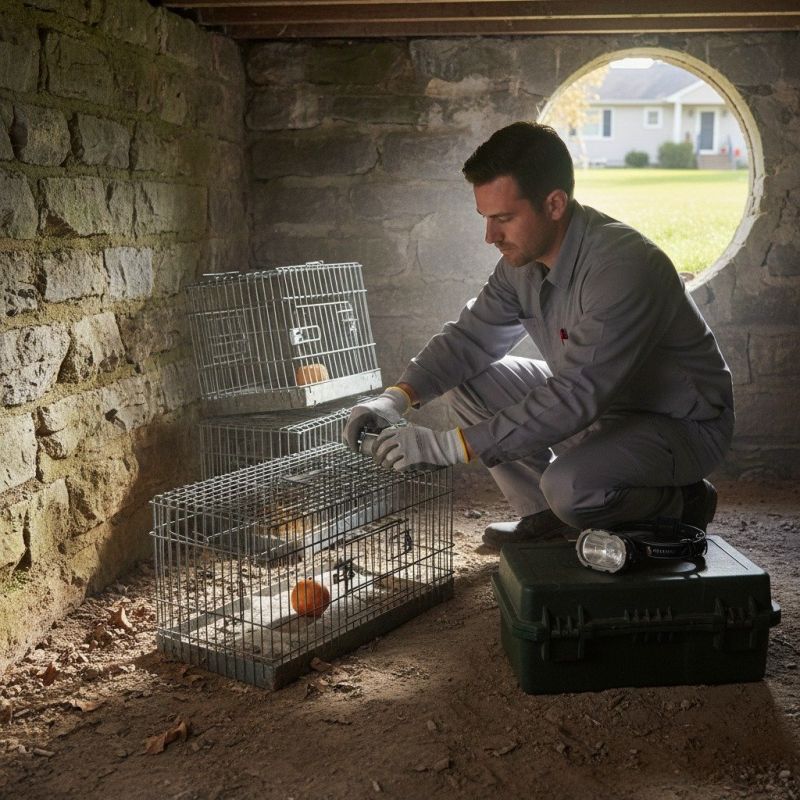
Clearly describe your small animal removal project and compare local contractors based on experience and scope.
- Identify the types of small animals the contractor has experience removing. Verify that the scope of work includes inspection, removal, and sealing of entry points. Ensure the contractor assesses the extent of the infestation and provides a clear plan of action. Confirm that the service provider explains the methods used to humanely and effectively remove animals. Check that the contractor offers written estimates detailing the scope and procedures of the removal process. Review the contractor’s credentials and reputation to ensure they meet local standards and have relevant experience.
Compare local contractors, clarify project scope, verify experience, and document expectations clearly.
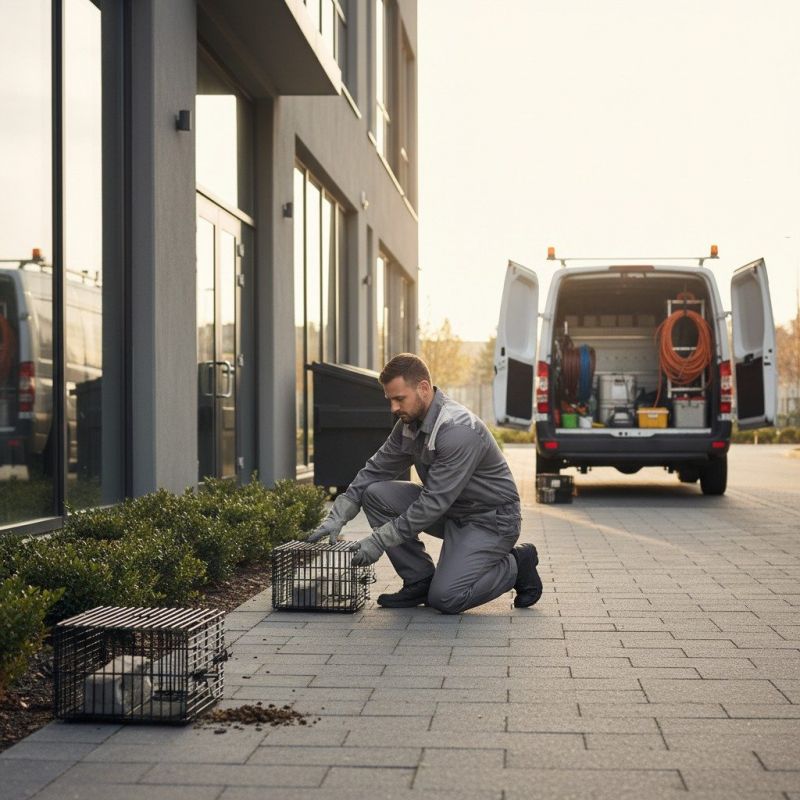
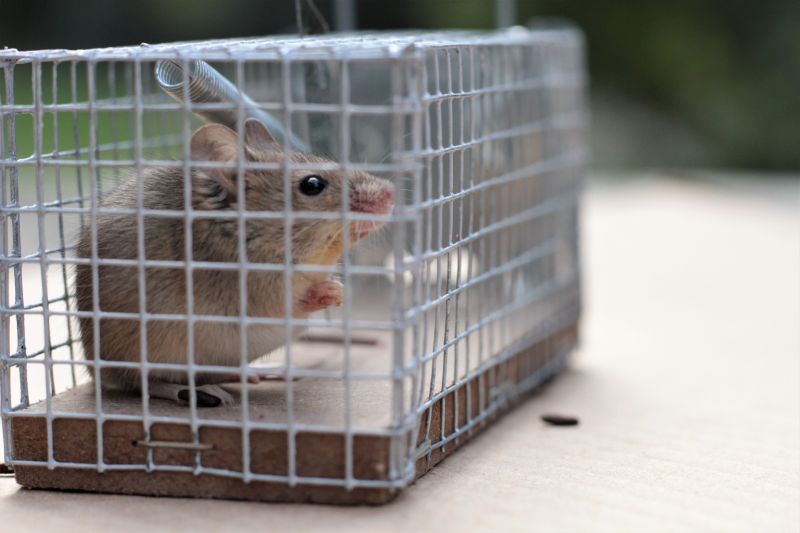
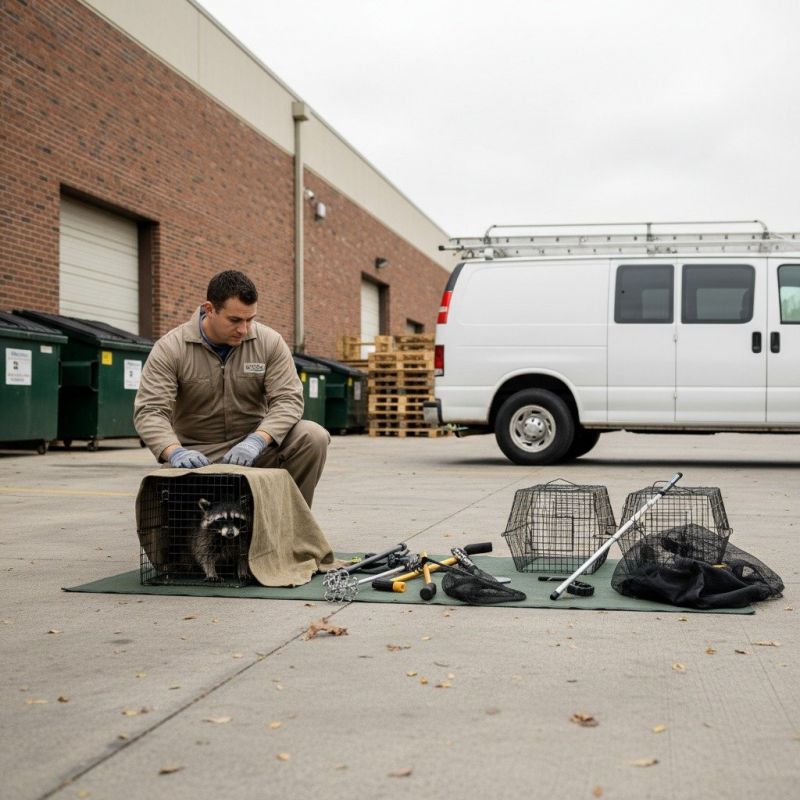
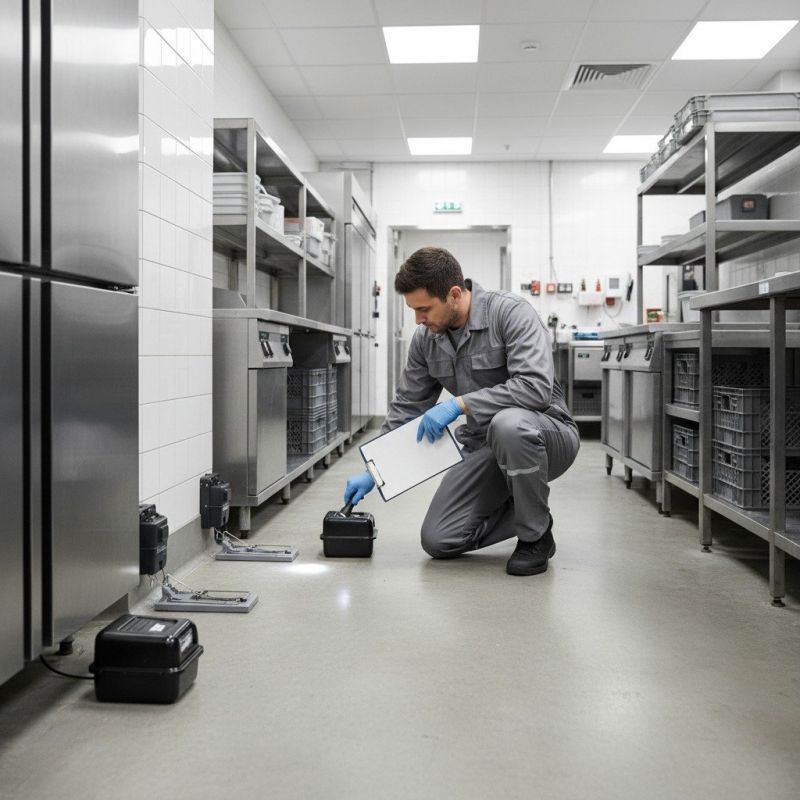
This scope builder helps compare small animal removal contractors by standardizing work definitions and verifying experience.
- Scope Definition - Clearly outline the specific small animals to be removed and the areas affected.
- Experience Verification - Confirm that service providers have relevant experience with small animal removal techniques.
- Methodology Description - Specify the approaches and tools that will be used to safely and effectively remove animals.
- Exclusion of Damage - Identify measures to prevent damage to property during the removal process.
- Post-Removal Cleanup - Define the scope of cleanup and sanitation after animal removal is completed.
When comparing contractors for Small Animal Removal, it’s important to consider their experience with similar projects. Service providers who have handled comparable situations are more likely to understand the nuances involved in safely and effectively removing unwanted animals from residential or commercial properties. Asking about the types of animals they have worked with and the scope of past projects can help gauge their familiarity with common challenges and effective techniques. A contractor’s background in similar jobs can provide confidence that they are knowledgeable about the specific demands of your situation.
A clear, written scope of work is essential when evaluating potential contractors. This document should outline the specific tasks to be performed, including inspection, removal, and any necessary repairs or preventative measures. Having a detailed scope helps ensure both parties have aligned expectations and provides a reference point throughout the project. When reviewing proposals or estimates, look for descriptions that specify what is included and what may be considered additional, to avoid misunderstandings later on. Clear documentation also facilitates communication and helps in assessing whether a contractor’s approach aligns with your needs.
Verification of a contractor’s experience can be supported by requesting references or examples of completed projects. While formal licensing or certification may not be required, speaking with previous clients can offer insights into the contractor’s professionalism, reliability, and effectiveness. Confirming that a service provider has successfully managed similar removal jobs can help reduce uncertainty. Additionally, verifying their familiarity with local regulations or property types can be beneficial, especially if your property has unique features or access considerations.
Evaluating options without focusing on prices involves assessing the quality of proposals, the clarity of scope, and the contractor’s experience. Consider how well each service provider communicates their approach and whether their proposed scope addresses your specific concerns. Look for consistency in their explanations and ensure that all aspects of the project are covered comprehensively. Comparing these elements can help identify the most suitable contractor based on expertise, clarity, and professionalism, leading to a more informed decision aligned with your property’s needs.
Ask for written scope of work to ensure clear expectations and consistent understanding with service providers.
- Experience and Specialization - What specific experience do local contractors have with small animal removal?
- Scope of Services - How do contractors define the scope of work included in their small animal removal services?
- Methods and Techniques - What methods do service providers use to ensure effective and humane animal removal?
- Warranty and Follow-up - Do contractors offer any written guarantees or follow-up services after removal?
- Experience Verification - How can homeowners verify a contractor’s experience and track record with small animal removal?
What should I consider when comparing small animal removal contractors? It's important to review their experience, verify their scope of work, and ensure they provide clear, written estimates to set proper expectations.
How can I verify a contractor’s experience in small animal removal? Ask for details about their past projects, references, or credentials related to wildlife or pest removal to assess their familiarity with the job.
Why is it important to define the scope of work in writing? Having a detailed, written scope helps clarify what services will be provided, preventing misunderstandings and ensuring all parties agree on the process.
What questions should I ask a service provider before hiring? Inquire about their methods, experience with similar jobs, and whether they can provide a detailed plan or estimate for the removal process.
How do I ensure a contractor is qualified for small animal removal? Look for contractors who specialize in wildlife or pest removal services and ask about their familiarity with local wildlife species and removal techniques.
What is the best way to compare different small animal removal contractors? Review their experience, scope of services, and written estimates to determine which provider best meets the specific needs of the job.
This page provided an overview of how to find and compare contractors who handle small animal removal. Visitors learned the importance of clearly defining the scope of work, verifying experience, and setting expectations in writing to ensure a smooth process. By exploring different service providers, individuals can make informed choices that align with their specific needs.
Using the quote form allows for easy comparison of local contractors, helping to identify options that best suit the project. It’s a practical step toward connecting with qualified service providers who can handle small animal removal effectively.