Compare Local Contractors for Reliable Wildlife Removal Services
Compare local contractors for wildlife removal to define project scope, verify experience, and set clear expectations in writing for effective property protection.
Wildlife removal services offered by contractors typically cover a range of tasks aimed at safely and humanely removing unwanted animals from residential or commercial properties. This may include identifying entry points, trapping or excluding animals, and ensuring that the property is secured against future intrusions. Many contractors also provide cleanup and sanitation services to address any damage or contamination caused by wildlife. Understanding the scope of work helps property owners determine what specific services are needed and ensures that all aspects of wildlife intrusion are addressed effectively.
Defining the scope of wildlife removal work is essential for establishing clear expectations and avoiding misunderstandings. Property owners should work with contractors to specify exactly what will be done-such as the types of animals targeted, the methods of removal, and any repairs or modifications to the property. Having these details in writing creates a record that can be referenced later and helps ensure that both parties agree on the extent of the work. Clarifying scope also aids in assessing whether a contractor has the experience and resources necessary to handle the specific wildlife challenges present.
When comparing local wildlife removal contractors, property owners should consider several factors to make informed decisions. It is helpful to verify the types of experience each service provider has with similar wildlife issues and to ask about their approach to humane removal practices. Reviewing details about the services included, such as exclusion work or cleanup, can clarify what is covered and prevent surprises later. Additionally, gathering information about each contractor’s reputation and asking for references or proof of past work can provide insights into their reliability. By assessing these elements, property owners can identify service providers best suited to meet their specific wildlife management needs.
Compare local contractors by outlining your priorities, verifying their experience, and setting clear expectations in writing.
- Compare Contractor Credentials - Verify the experience and reputation of local service providers to ensure quality wildlife removal.
- Define Scope of Work - Clearly outline the services needed to address wildlife issues and prevent future problems.
- Request Written Agreements - Obtain detailed documentation of the scope, procedures, and expectations before work begins.
- Assess Local Contractor Options - Evaluate multiple service providers to find those best suited for your specific wildlife removal needs.
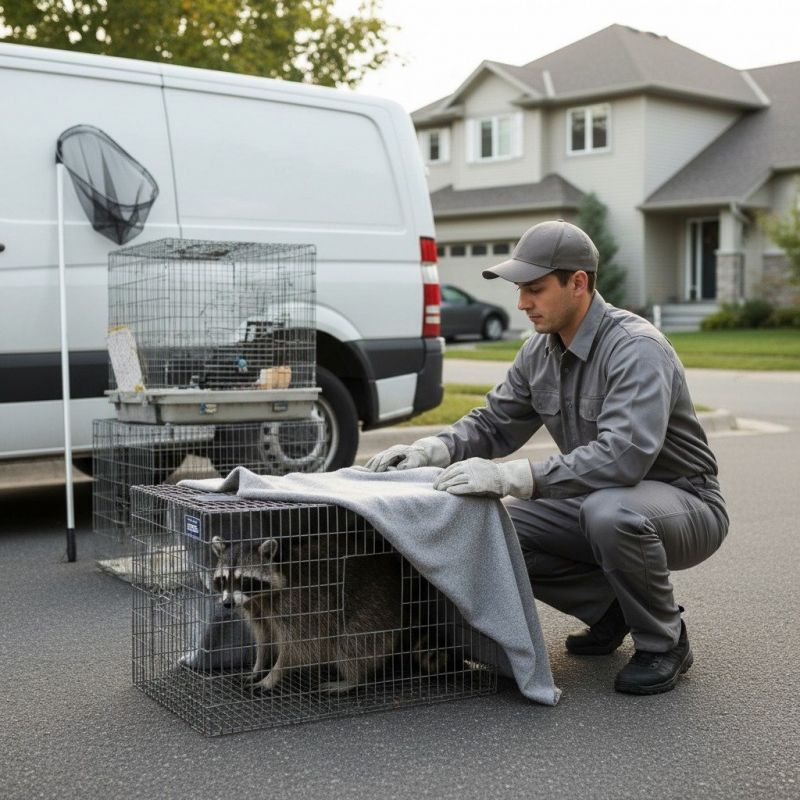
Clearly describe your wildlife removal project to compare contractors, verify experience, and set expectations in writing.
- Verify experience and expertise in wildlife removal specific to the types of animals involved. - Ensure service providers have a clear understanding of humane and effective removal methods.
- Compare scope of work outlined by different contractors to understand what is included in their services. - Look for detailed descriptions of inspection, removal, and exclusion processes.
- Check that contractors provide a written plan that clearly defines the removal process and exclusion measures. - Written agreements help set clear expectations and prevent misunderstandings.
- Assess the methods and equipment used by local contractors to ensure they follow humane and effective practices. - Proper tools and techniques are essential for safe wildlife removal.
- Review the contractor’s approach to damage repair and prevention to ensure comprehensive service coverage. - Confirm that the scope includes addressing entry points and future prevention strategies.
- Confirm that the service providers are experienced in handling the specific wildlife issues present on the property. - Proper experience ensures effective and safe removal of the targeted animals.
Compare local contractors, clarify scope, verify experience, and set expectations clearly in writing.
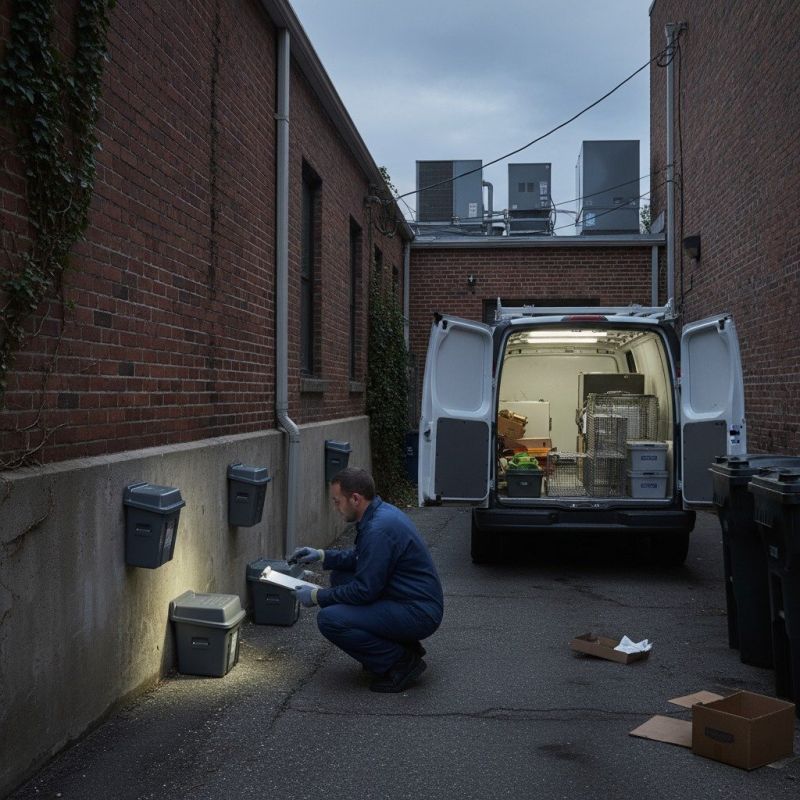

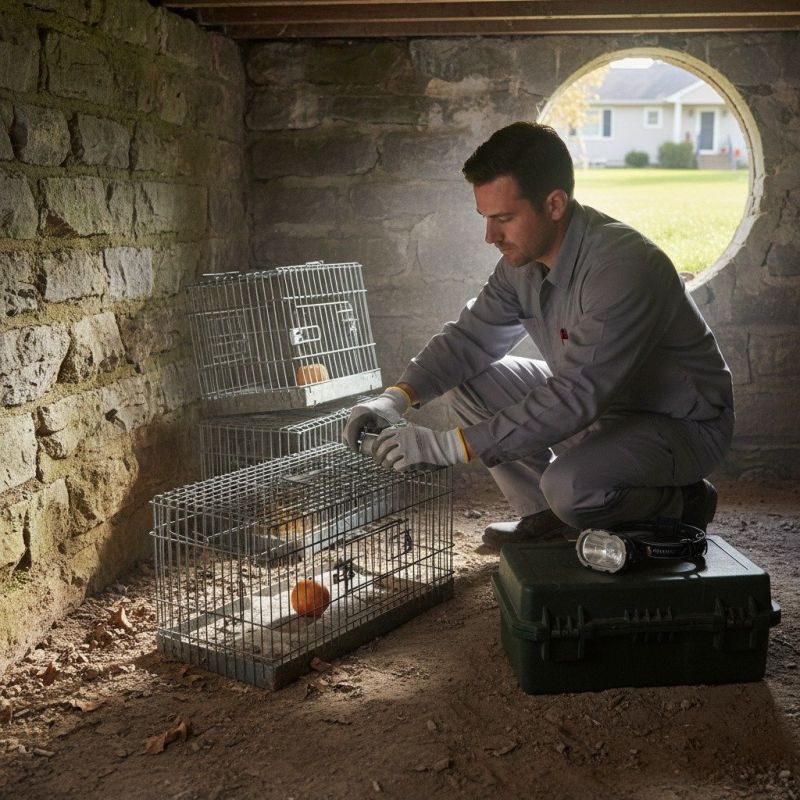
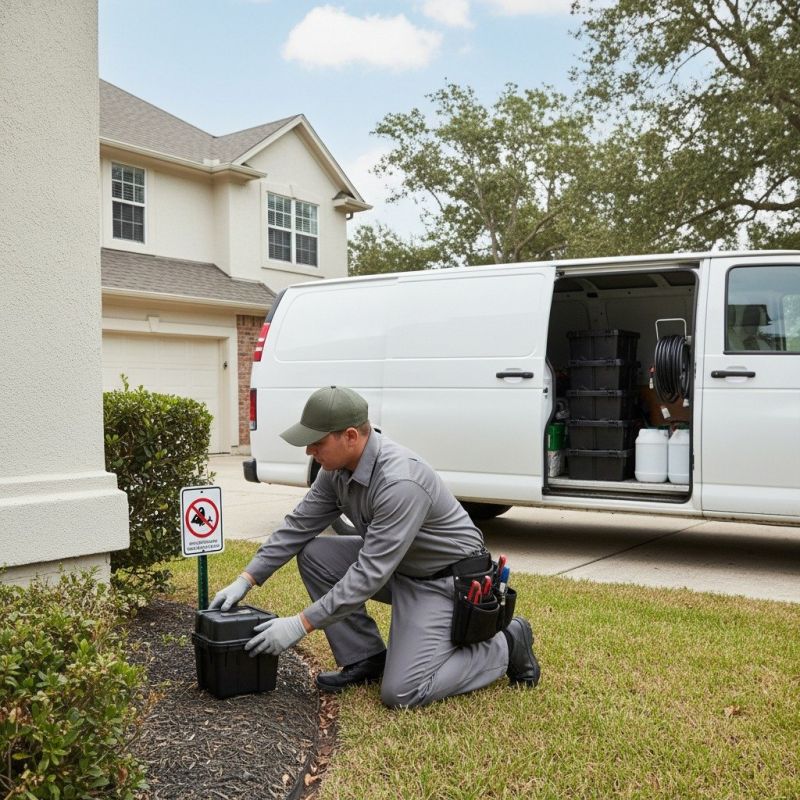
Use consistent scope definitions and verify experience to effectively compare wildlife removal service providers.
- Scope Definition - Clearly outline the specific wildlife species to be removed and the areas affected.
- Service Coverage - Specify the locations, structures, and extent of property the contractor will address.
- Experience and Expertise - Verify the contractor’s background in wildlife removal and their familiarity with local wildlife regulations.
- Work Procedures - Describe the methods and tools the contractor will use to ensure effective and humane removal.
- Written Agreement - Ensure all scope details, responsibilities, and expectations are documented in a formal contract.
When comparing wildlife removal contractors, it is important to evaluate their experience with similar projects. Homeowners should inquire about how long a service provider has been handling wildlife issues similar to their situation, such as bird control, raccoon removal, or bat exclusion. Contractors with a proven track record in addressing specific wildlife challenges are more likely to understand the nuances involved and deliver effective solutions. Verifying the background of a contractor’s past work can help ensure that they possess the relevant practical knowledge needed to handle the unique aspects of each property and wildlife problem.
A clear, detailed written scope of work is essential when assessing potential service providers. Homeowners should seek proposals that specify the methods to be used, the areas to be addressed, and the expected steps involved in the removal process. A well-defined scope helps establish mutual understanding and sets realistic expectations, reducing the chances of misunderstandings or incomplete work. Contractors who can articulate their approach in writing demonstrate professionalism and transparency, making it easier to compare options objectively based on the thoroughness of their proposed plan.
Verification of a wildlife removal contractor’s credentials begins with confirming their experience and reputation. This can include checking references, reviewing previous project summaries, or seeking out any available documentation of their work. While licensing and certification are not the focus here, verifying that a contractor has successfully completed similar projects provides confidence in their ability to manage wildlife issues effectively. Homeowners should also consider how the contractor communicates and whether they are willing to provide detailed explanations about their process and experience.
Evaluating options without focusing on prices involves examining the quality and clarity of each contractor’s proposal and their ability to meet specific project needs. Homeowners should compare how well each service provider understands the wildlife problem, the thoroughness of their scope, and their approach to addressing the issue. It is also helpful to consider the professionalism of their communication, their responsiveness to questions, and their overall transparency. By focusing on experience, scope clarity, and verification, homeowners can make informed decisions about which local contractors are best equipped to handle their wildlife removal needs.
Ask contractors to provide written descriptions of the scope of work to ensure clear expectations and consistent service.
- Scope of Work - What specific wildlife removal services are included and what areas will be addressed?
- Experience and Expertise - How long have the service providers been handling wildlife removal and what types of animals have they managed?
- Methods and Procedures - What techniques and equipment do the contractors use to ensure effective and humane removal?
- Guarantees and Warranties - Are there any written assurances regarding the effectiveness of the removal and prevention measures?
- Scope Clarification - How do the contractors define the boundaries of their work to prevent misunderstandings?
How can I compare wildlife removal contractors effectively? To compare contractors, review their scope of services, verify their experience with similar wildlife issues, and ensure all project details are outlined clearly in writing.
What should I consider when defining the scope of wildlife removal work? Clearly identify the types of wildlife involved, the areas affected, and any cleanup or repair needs to ensure contractors understand the full extent of the project.
How can I verify a wildlife removal contractor’s experience? Ask for details about their past projects, the types of wildlife they have handled, and any relevant work history to gauge their familiarity with similar situations.
Why is it important to have the scope of work in writing? Having the scope documented helps set clear expectations, prevents misunderstandings, and provides a reference for the work agreed upon before it begins.
What questions should I ask wildlife removal service providers? Inquire about their methods, experience with your specific wildlife issue, and how they plan to handle cleanup and repairs to ensure comprehensive service.
How can I ensure the contractor’s services meet my needs? Review their experience, clarify the scope of work, and confirm that all details are documented to align their services with your expectations.
This page has highlighted the importance of understanding the scope of wildlife removal services, verifying the experience of local contractors, and setting clear expectations in writing. By comparing options, visitors can find service providers who meet their specific needs and ensure a smooth process. Utilizing the quote form allows for easy access to multiple local service providers, making it simple to explore available choices and make informed decisions.
Taking the time to review and compare local contractors can help clarify the scope of work and establish transparent communication upfront. Using the quote form provides a convenient way to connect with experienced service providers in the area, helping to identify options that align with individual requirements. This approach supports making well-informed choices when selecting a wildlife removal contractor.